


T-cell transduction and culture
The use of genetically modified T cells to target cancer is a promising and evolving field. The two most common approaches revolve around genetically engineering T cells to introduce either a new T-cell receptor (TCR) or a chimeric antigen receptor (CAR). Adoptive T-cell therapy uses a patient's or donor’s T cells for ex vivo genetic modification and expansion for infusion into the patient.
Takara Bio proudly offers a complete suite of tools and services for T-cell transduction, culture, expansion, and analysis.
T-cell related products

RetroNectin reagent
Transduction-enhancing reagent that promotes colocalization of lentivirus/retrovirus with target hematopoietic cells.
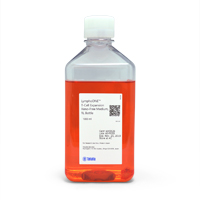
Serum-free T-cell medium
Chemically defined T-cell culture medium that supports stable growth in the presence or absence of serum.

Anti-CD3 monoclonal antibody (OKT3)
Monoclonal antibody that specifically reacts with T cell receptor-CD3 complexes on circulating human T cells.

CultiLife cell culture bags
A sterile, closed system for growing T cells that provides reduced risk of both culture contamination and user infection.

Cytokine GoStix Plus assays
Accelerate your research with GoStix Plus assays for IL-2, TNF-α, and IFN-γ.
Additional products and services

Virus product finder
Use the drop-down menus to choose the appropriate virus product for your experiments.

Gene and cell therapy manufacturing services
Takara Bio provides exceptional CMO services to drive clinical research.
Learning resources
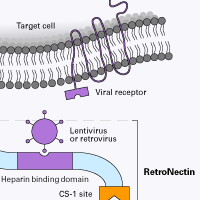
Adoptive T-cell therapy
RetroNectin reagent enhances transduction efficiency in ACT.
Hematopoietic cell transduction
RetroNectin-mediated gene transfer to hematopoietic cells.
T-cell expansion
Our straightforward protocol boosts naïve T-cell expansion.
Serum-free T-cell culture
An overview of features and benefits and FAQs about LymphoONE T-Cell Expansion Xeno-Free Medium.
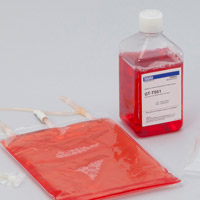
CultiLife culture bags protocol
Protocol for growing suspension cells in a closed, sterile system using CultiLife 215 Culture Bags.
Cytokine analysis
10-minute quantitation of human cytokines enables streamlined assessment of cultured immune cells.
Overview of RetroNectin reagent

What is RetroNectin reagent?
Watch an introductory video and learn how RetroNectin reagent works.

RetroNectin FAQs
Get details on some of the most commonly asked questions about RetroNectin reagent.
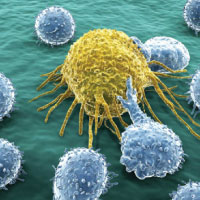
RetroNectin reagent's use in T-cell therapies
Learn about how research to improve T-cell engineering and expansion contributes to the advancement of T-cell therapies for cancer.
Takara Bio USA, Inc.
United States/Canada: +1.800.662.2566 • Asia Pacific: +1.650.919.7300 • Europe: +33.(0)1.3904.6880 • Japan: +81.(0)77.565.6999
FOR RESEARCH USE ONLY. NOT FOR USE IN DIAGNOSTIC PROCEDURES. © 2025 Takara Bio Inc. All Rights Reserved. All trademarks are the property of Takara Bio Inc. or its affiliate(s) in the U.S. and/or other countries or their respective owners. Certain trademarks may not be registered in all jurisdictions. Additional product, intellectual property, and restricted use information is available at takarabio.com.
