


Announcing the winners: SMART-Seq Pro Biomarker Discovery Contest
Decode the full-length transcriptome to detect critical biomarkers
You were asked: what do you want to discover with full-length sequencing? Out of many fantastic proposals, we identified four grand-prize winners. Their proposals demonstrated great potential for the detection of critical biomarkers using full-length RNA-seq in different disease models.
These researchers have each won a free single-cell transcriptomics study using their favorite cells! The study includes library prep using the SMART-Seq Pro Application Kit on the ICELL8 cx Single-Cell System, Illumina sequencing, and data analysis using our Cogent NGS tools.
Congratulations to these winners! We can't wait to see the results of their studies!

Gabriele Casirati, MD, Postdoctoral Fellow, Dana-Farber Cancer Institute
Epitope-edited hematopoiesis to enable immunotherapies for acute myeloid leukemia and explore mechanisms leading to relapse
Dr. Casirati received his Doctor of Medicine degree from Universita' Statale di Milan (Italy). He trained as a hematologist at San Raffaele Hospital, Milan. During his residency, he also worked in basic/translational research in the Gentner lab at the Telethon Institute for Gene Therapy (TIGET), where he studied intra-tumoral heterogeneity of Acute Myeloid Leukemia (AML). He then joined as a postdoctoral researcher in the Genovese lab at Dana-Farber Cancer Institute (Boston) and began working on novel strategies to improve the safety and efficacy of adoptive AML immunotherapies by means of epitope-editing to endow normal stem cells with selective resistance to CAR-T or monoclonal antibodies.

Matthew Greenblatt, MD, PhD, Associate Professor, Pathology and Laboratory Medicine, Weill Cornell Medical College
Identifying key markers of a novel skeletal stem cell regulating neuroinflammation and neurodegeneration
Dr. Greenblatt focuses on identifying new skeletal stem cells alongside practicing as a pathologist. His lab has used a combination of mouse genetics, human xenograft studies, and bone organoid models to identify that bone is formed by multiple different types of skeletal stem cells, with each stem cell type having different locations and functions. Here, he hopes to determine how multiple stem cells collaborate to form the skull and to identify new markers that can define each of these stem cell types.

Fernando Fierro, PhD, Associate Professor, Cell Biology and Human Anatomy, UC Davis
Uncovering differences in mutant and normal cells in fibrous dysplasia/McCune Albright Syndrome (FD/MAS)
Dr. Fierro uses human bone marrow stromal cells/mesenchymal stem cells (MSCs) to develop novel therapies or to model diseases in a dish. For the past 4–5 years, his lab has been studying rare skeletal disorders caused by impaired differentiation of MSCs into osteoblasts. One of these diseases is Fibrous Dysplasia (FD) of the bone, which is characterized by skeletal deformities and fractures. Since the disease arises from genetic postzygotic somatic mutations, it remains critical to understand the relationship between cells with and without the mutation. It has been suggested that both types of cells are required to develop FD, as the cells communicate with each other through paracrine signaling. This project will allow us to directly interrogate this question with unprecedented molecular resolution.

Masakazu Kamata, PhD, Associate Professor, School of Medicine, University of Alabama at Birmingham
Crosstalk between therapy resistance and alternative splicing patterns
Dr. Kamata received his PhD in pharmaceutical sciences at Kyoto University in 1995. In 2002, he started a new career at the UCLA AIDS Institute working toward HIV cure therapy. In October 2018, he was hired as an associate professor in the Department of Microbiology at the University of Alabama at Birmingham. His recent efforts using immunotherapeutic strategies have provided potential tools for controlling aggressive cancers that metastasize to the brain and primary brain tumors, specifically glioblastoma. These studies provide fundamental insight into the basis of host-malignant cell interactions and will ultimately identify clinically relevant therapeutic targets to augment immune responses and restore anti-cancer immunity in patients.
Congratulations once more to Gabriele Casirati, Fernando Fierro, Matthew Greenblatt, and Masakazu Kamata, winners of this SMART-Seq Pro Biomarker Discovery Contest! That’s Good Science!
Learn about the flexibility and streamlined workflows ICELL8 cx can bring to your single-cell analysis.
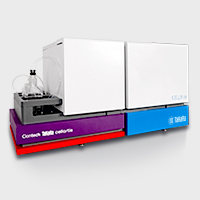
Introduction to ICELL8 technology
Learn more about ICELL8 technology and the ICELL8 cx Single-Cell System.
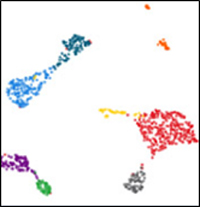
Enhancing biomarker discovery with the SMART-Seq Pro kit and ICELL8 cx Single-Cell System
Boost the speed and power of your research with the SMART-Seq Pro application kit, which improves your ability to detect important biomarkers and scale your current full-length experiments.
Takara Bio USA, Inc.
United States/Canada: +1.800.662.2566 • Asia Pacific: +1.650.919.7300 • Europe: +33.(0)1.3904.6880 • Japan: +81.(0)77.565.6999
FOR RESEARCH USE ONLY. NOT FOR USE IN DIAGNOSTIC PROCEDURES. © 2025 Takara Bio Inc. All Rights Reserved. All trademarks are the property of Takara Bio Inc. or its affiliate(s) in the U.S. and/or other countries or their respective owners. Certain trademarks may not be registered in all jurisdictions. Additional product, intellectual property, and restricted use information is available at takarabio.com.
