




Eliminate genomic DNA contamination with NucleoSpin RNA
- More effective genomic DNA removal than a competitor with similar RNA yields
- Includes DNase I and shredders
- Isolate total RNA from very small numbers of cells
- Simple spin column protocol
Total RNA isolation with genomic DNA removal you can see!
While the NucleoSpin RNA kit and Vendor Q's RNeasy Mini kit provide similar yields of total RNA, Competitor Q's RNA isolation kit leaves behind genomic DNA contamination (Figures 1 and 2).

Figure 1. Genomic DNA removal you can see using the NucleoSpin RNA kit. RNA was purified using the NucleoSpin RNA kit or Competitor Q's RNeasy Mini kit. 10 µl of purified RNA was treated with RNase A and loaded onto a 1% TAE-agarose gel to reveal any contaminating genomic DNA. Genomic DNA was completely eliminated from samples purified with the NucleoSpin RNA kit, but RNA purified with the RNeasy Mini kit showed evidence of genomic DNA contamination.

Figure 2. Quantitative genomic DNA removal using NucleoSpin RNA. A PCR control experiment was performed using total RNA templates purified with the NucleoSpin RNA kit or Competitor Q's RNeasy Mini kit (as described in Figure 1). PCR reactions were carried out for 30 cycles using gene-specific primers that differed in sensitivity with regard to detection of genomic DNA. The amount of template used was 2 µl of the total RNA eluate. 30 µl aliquots of each PCR reaction were electrophoresed on a 1% TAE-agarose gel and stained with ethidium bromide.
How does NucleoSpin RNA remove genomic DNA contamination?
If you want to isolate high-quality RNA, it is important to prevent degradation of the RNA and to eliminate genomic DNA. Unlike Competitor Q's RNeasy kits, NucleoSpin RNA includes the following:
- An optimized DNase I treatment to eliminate genomic DNA contamination
- Filters/shredders to homogenize samples and reduce viscosity
Without these components, RNA purified with Competitor Q's RNeasy kits exhibits significant DNA contamination.
Total RNA purification from just a few cells
With NucleoSpin RNA, you can detect transcripts from very small numbers of cells—in this example, RNA was isolated from as few as 10 HeLa cells (Figure 3).

Figure 3. High RNA yields enable detection of a transcript from as few as 10 HeLa cells by RT-PCR. Total RNA was isolated from the indicated number of HeLa cells with NucleoSpin RNA (elution volume: 40 µl). RT-PCR reactions were carried out with 3 µl of total RNA and beta-actin primers. The RT-PCR product was 626 bp.
Simple protocol for DNA removal
NucleoSpin RNA uses a simple spin-column procedure that is probably already familiar to you (Figure 4). First, cells are lysed in a buffer that inactivates RNases (which are present in virtually any biological material) and creates appropriate conditions for RNA to bind to the silica membrane. After lysis, homogenization and reduction of viscosity are achieved by filtration with NucleoSpin Filter units (shredders), which are provided with the kit. Residual genomic DNA is removed by on-column digestion with rDNase, which is also included in the kit.

Figure 4. The NucleoSpin RNA protocol.
What is NucleoSpin RNA?
| Technology | Silica membrane |
| Format | Mini spin columns |
| Starting material | 5 x 10⁶ cultured cells or 109 bacterial cells or 30 mg tissue |
| Fragment size | >200 bases |
| Yield | 14–70 µg total RNA |
| Elution volume | 40–100 µl |
| Time | 30 min/6 preps |
Ordering Information
The better way to isolate RNA
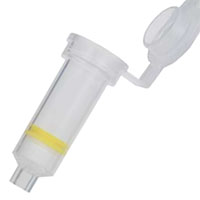
Critical factors when purifying RNA are the complete removal of contaminating DNA (gDNA) and the immediate prevention of degradation of RNA. The NucleoSpin RNA Plus kit introduces the NucleoSpin gDNA Removal Column, a spin column which quickly and completely removes genomic DNA contamination without the need for DNase digestion. To maintain RNA integrity, cells and tissues are first lysed by incubation in a chaotropic ion lysis buffer solution, which immediately inactivates RNases.
Learn more Buy nowTakara Bio USA, Inc.
United States/Canada: +1.800.662.2566 • Asia Pacific: +1.650.919.7300 • Europe: +33.(0)1.3904.6880 • Japan: +81.(0)77.565.6999
FOR RESEARCH USE ONLY. NOT FOR USE IN DIAGNOSTIC PROCEDURES. © 2025 Takara Bio Inc. All Rights Reserved. All trademarks are the property of Takara Bio Inc. or its affiliate(s) in the U.S. and/or other countries or their respective owners. Certain trademarks may not be registered in all jurisdictions. Additional product, intellectual property, and restricted use information is available at takarabio.com.
